
How to Choose the Right Foundation Repair Method for Your Home
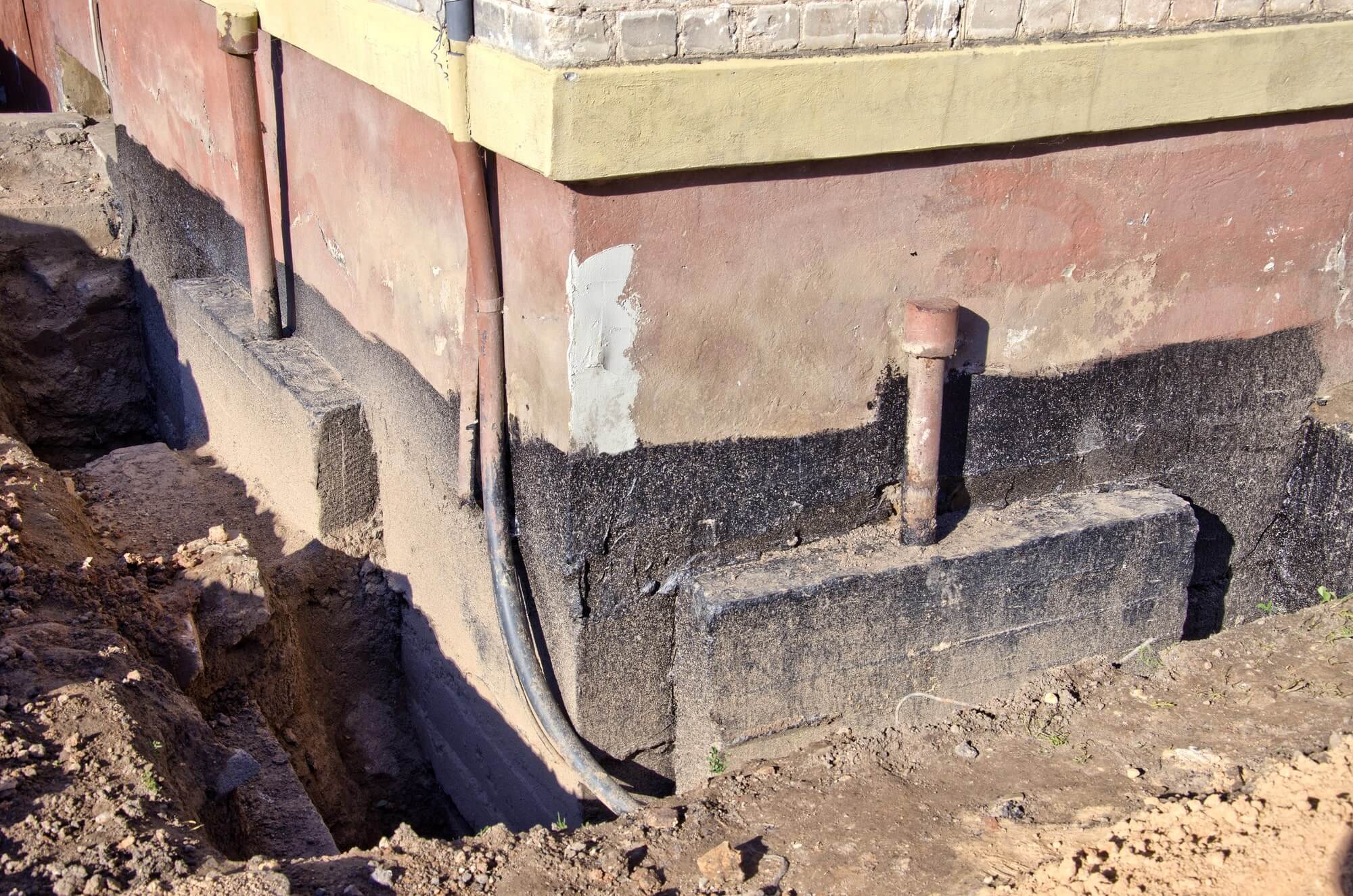
When you discover foundation issues in your home, the first reaction is often panic—and rightfully so. Foundation problems can compromise the structural integrity of your home and lead to costly damage. However, not every foundation issue is the same, and neither is every repair solution.
In this blog, we’ll explore the most common types of foundation problems and break down the various repair methods available so you can make an informed choice tailored to your situation.
Understanding Your Foundation Problem
Before you decide on a repair method, it’s important to understand what kind of foundation issue you’re facing. Common signs include:
- Cracks in walls or flooring
- Uneven or sloping floors
- Doors and windows that stick
- Gaps between walls and ceilings
- Moisture or water intrusion in basements or crawlspaces
Each of these signs could point to different underlying causes such as soil shifting, water damage, or foundation settlement. A professional inspection is the first step toward identifying the root problem.
Common Foundation Repair Methods
1. Concrete Piers
Concrete piers are poured and cured on-site to support the home’s foundation. This is a cost-effective method for homes with moderate settlement issues and stable soil.
Pros: Long-lasting, cost-efficient for certain soil types
Cons: Requires excavation and drying time
2. Steel Piers
Steel piers are driven deep into the soil until they reach load-bearing strata. They provide a strong and stable solution for homes in areas with unstable or expansive clay soil.
Pros: High durability, fast installation, ideal for major settlement
Cons: Higher cost
3. Helical Piers
Helical piers are screw-like rods drilled into the ground. These are often used for lighter structures and are a good option when working in areas with restricted access.
Pros: Less invasive, works well in soft soils
Cons: Not suitable for very heavy homes
4. Slabjacking (Mudjacking)
This method involves injecting a slurry mix beneath the slab to lift and level the foundation. It’s commonly used for sunken driveways, patios, and sidewalks.
Pros: Non-invasive, quick process
Cons: Not a permanent fix for deeper structural issues
5. Polyurethane Foam Injection
A modern twist on slabjacking, this method uses lightweight foam that expands and lifts the foundation.
Pros: Quick and clean application, minimal disruption
Cons: Higher cost than traditional mudjacking
6. Wall Anchors and Braces
For bowing or leaning basement walls, wall anchors or steel braces are installed to provide lateral support and prevent further movement.
Pros: Effective for lateral pressure issues
Cons: May require indoor space or excavation
How to Choose the Right Method
Choosing the best repair solution depends on several factors:
- Soil Conditions: Expansive clay vs. sandy soil impacts method selection
- Extent of Damage: Minor settlement may not require deep pier installation
- Access Around Home: Limited access may rule out heavy machinery use
- Budget: Some methods cost significantly more than others
- Longevity Goals: Some methods offer temporary relief while others are permanent solutions
A professional foundation expert, like House of Payne, can conduct soil tests, assess the damage, and recommend the most effective and budget-friendly solution for your unique situation.


.svg)
.svg)
.svg)
