
How to Know When It’s Time to Replace Your Roof
Your roof is one of the most important components of your home. It protects everything beneath it—from your structure and insulation to your belongings and family. However, roofs don’t last forever. Over time, weather exposure, aging materials, and structural stress can cause roofing systems to deteriorate.
Recognizing the early warning signs of roof problems can help homeowners prevent major damage and costly repairs. In this blog, we’ll walk through some of the most common indicators that it may be time to replace your roof.
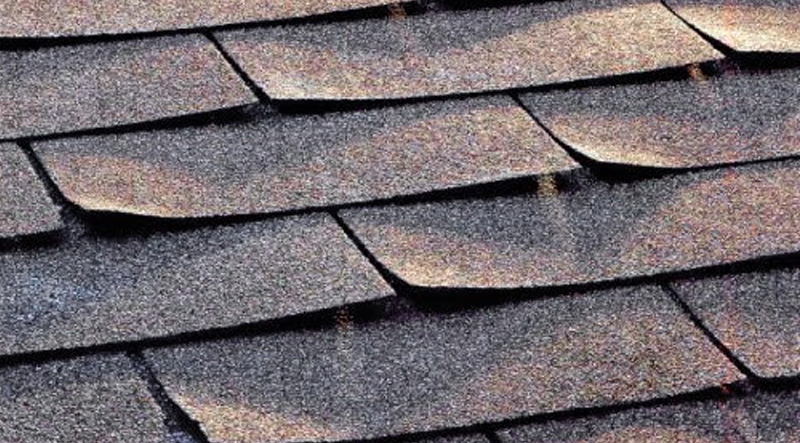
1. Shingles Are Missing, Curling, or Cracked
One of the most visible signs of roof deterioration is damaged shingles. As shingles age, they may begin to curl, crack, or completely fall off.
Common warning signs include:
- Shingles curling at the edges
- Cracked or broken shingles
- Missing sections after storms
- Shingle pieces found in gutters or yard
Damaged shingles leave your roof vulnerable to water penetration and further structural damage.
2. Your Roof Is Over 20 Years Old
Most asphalt shingle roofs last around 20–25 years depending on climate and maintenance. If your roof is approaching or exceeding this age, it may be nearing the end of its lifespan.
Even if there are no obvious problems yet, older roofs become more susceptible to leaks and structural issues.
3. Water Leaks or Ceiling Stains
If you notice water stains on your ceiling or walls, it may indicate that water is entering through the roof.
Signs of roof leaks include:
- Brown or yellow stains on ceilings
- Peeling paint near rooflines
- Damp spots in the attic
- Mold or mildew growth
Ignoring leaks can allow water to spread and damage insulation, drywall, and structural components.
4. Granules in Your Gutters
As shingles age, they begin to lose the protective granules that help shield them from sun and weather damage.
If you find large amounts of shingle granules in your gutters or downspouts, it’s a sign that your roofing material is deteriorating and may need replacement.
5. Sagging Roof Sections
A sagging roof is one of the most serious warning signs. This could indicate structural damage to the decking or underlying supports.
Sagging may be caused by:
- Long-term water damage
- Excess weight from debris or snow
- Weak or deteriorated roof framing
If you notice dips or uneven areas in your roofline, it’s important to have it inspected immediately.
6. Increasing Energy Bills
Your roof plays an important role in insulating your home. When roofing materials deteriorate, they can allow heat to escape during winter and enter during summer.
This forces your HVAC system to work harder and can lead to higher energy bills.
Replacing an old roof can improve insulation and increase energy efficiency.
Why Professional Roof Inspection Matters
Roof damage is not always visible from the ground. A professional inspection can identify issues early and determine whether repairs or full replacement is the best solution.
An experienced contractor can evaluate:
- Shingle condition
- Roof flashing and seals
- Ventilation systems
- Structural integrity
Regular inspections help extend the life of your roof and prevent unexpected repairs.


.svg)
.svg)
.svg)
