
Key Signs It’s Time to Replace Your Home’s Siding
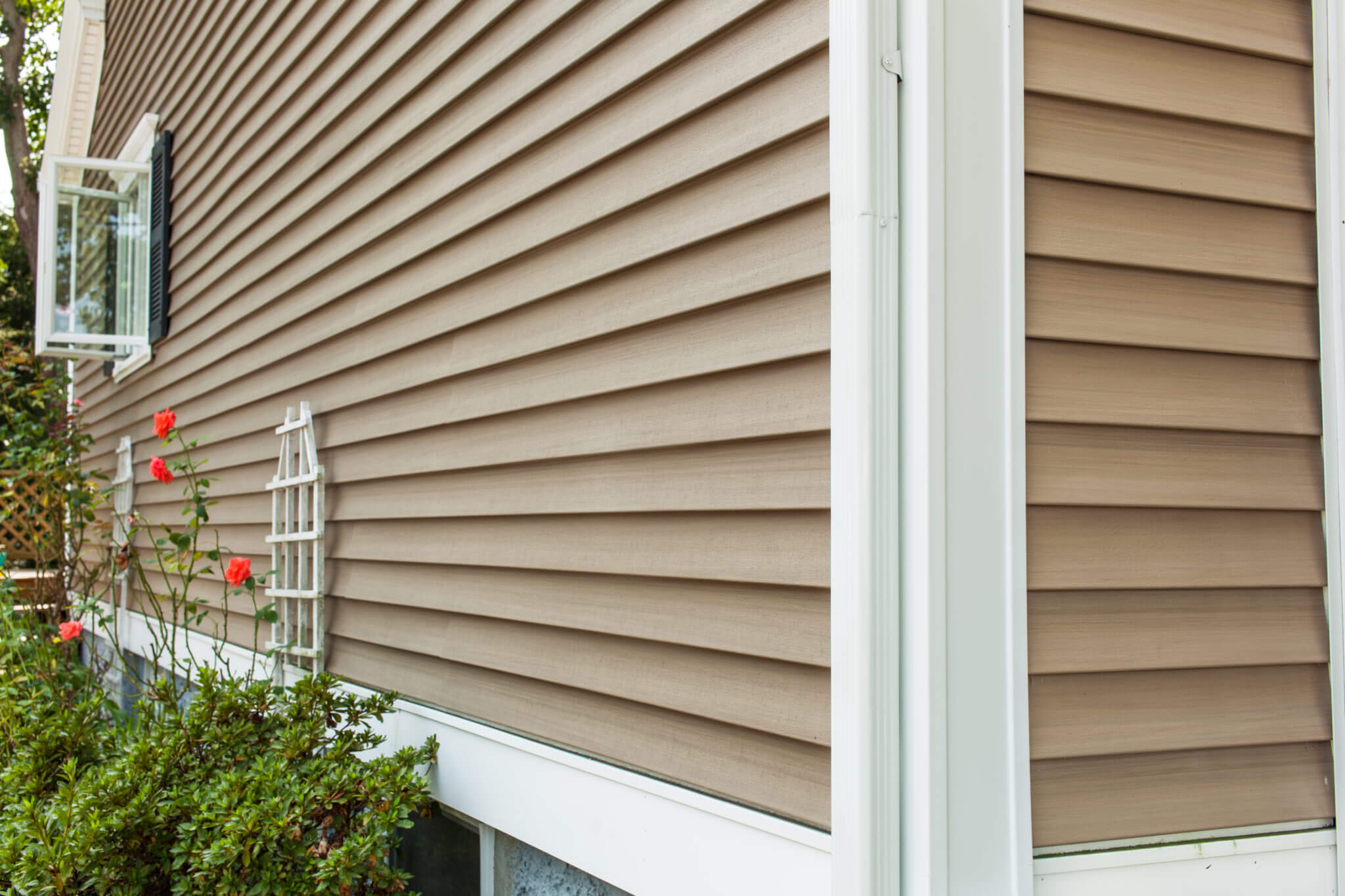
Your home’s siding is more than just a design feature—it’s your first line of defense against the elements. It protects your structure from moisture, pests, and temperature changes while enhancing curb appeal. But like all materials, siding doesn’t last forever.
Knowing when to replace your siding can help prevent costly repairs and improve the overall value of your home. Below, we break down the key signs that indicate it’s time for a siding replacement.
1. Cracking, Warping, or Bubbling
These are some of the most visible signs that your siding has reached the end of its lifespan. Cracks and warps can allow moisture to seep behind the panels, leading to mold, rot, and structural issues.
What to look for:
- Sections that bulge outward or appear loose
- Hairline cracks that expand over time
- Blistering or bubbling on the surface
2. Faded or Peeling Paint
Siding is designed to hold its color and finish for years, but constant exposure to the sun and weather can wear it down.
Signs it’s time to replace:
- The color is drastically faded
- Paint peels shortly after repainting
- Frequent repainting is needed every few years
This often points to weathered siding that’s no longer protecting your home efficiently.
3. Increased Energy Bills
If your energy bills are climbing with no changes to your HVAC use, your siding may be part of the problem. Poor insulation or damaged siding allows air to escape, forcing your heating and cooling systems to work harder.
What this means:
Replacing your siding—especially with energy-efficient options—can seal your home and improve insulation, leading to lower monthly bills.
4. Signs of Rot or Mold
If moisture has infiltrated behind your siding, rot and mold won’t be far behind. These issues can quickly spread and affect your home’s structure and your health.
Indicators include:
- Soft or crumbling areas
- Black streaks or green mold growth
- Musty odors near the siding
Early detection can help you avoid extensive remediation.
5. Interior Wall Damage
Believe it or not, your siding can affect the inside of your home. If you notice peeling paint, water stains, or warped drywall, it could be a result of moisture entering through compromised siding.
Red flags:
- Bubbling paint or wallpaper
- Damp spots on walls near exterior siding
- Cracks in the drywall without another cause
These symptoms shouldn’t be ignored—they usually mean it’s time for a siding inspection and possible replacement.


.svg)
.svg)
.svg)
