
The Complete Guide to Planning a Home Addition: Everything Homeowners Should Know
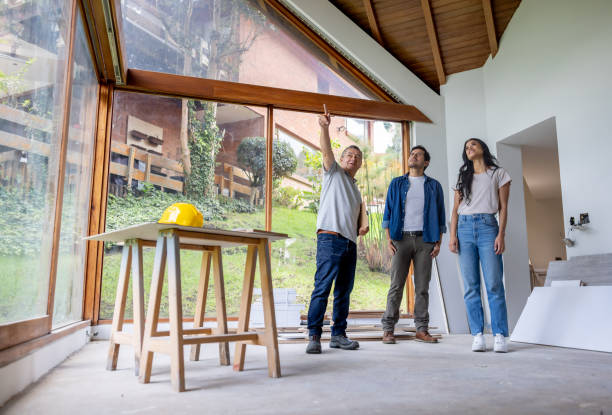
Running out of space doesn't always mean it's time to move. For many homeowners, building a home addition is a smarter investment than searching for a new house. Whether your family is growing, you're working from home, or you simply want more room to enjoy your property, a thoughtfully planned home addition can completely transform the way you live.
Unlike cosmetic remodeling projects, a home addition creates entirely new living space while increasing your property's functionality and long-term value. However, successful additions require careful planning, experienced craftsmanship, and a clear understanding of your goals before construction begins.
In this comprehensive guide, we'll cover everything homeowners should know before starting a home addition project, from choosing the right type of addition to budgeting, design considerations, and construction planning.
Why Build a Home Addition Instead of Moving?
Moving to a larger home may seem like the obvious solution when you need more space, but it often comes with significant costs and stress.
Moving typically involves:
- Realtor commissions
- Closing costs
- Moving expenses
- Higher mortgage payments
- New property taxes
- Leaving a neighborhood you already love
A home addition allows you to stay in the community you're familiar with while customizing your home to better fit your family's needs.
Popular Types of Home Additions
Every family has different priorities, which means there's no one-size-fits-all solution. One of the biggest advantages of building an addition is the ability to create a space designed specifically for your lifestyle.
Bedroom Additions
Growing families often need additional bedrooms for children or overnight guests. A bedroom addition can also increase your home's resale value by adding another officially recognized bedroom.
Primary Suite Additions
Many older homes lack spacious primary suites. Expanding your home to include a larger bedroom, walk-in closet, and private bathroom creates a comfortable retreat while modernizing your home.
Kitchen Expansions
If your kitchen feels crowded, expanding it can dramatically improve functionality.
Kitchen additions often include:
- Larger islands
- Walk-in pantries
- Breakfast areas
- Additional cabinetry
- Open-concept layouts
Family Room Additions
A larger family room creates more space for relaxing, entertaining guests, and spending time together.
Many homeowners choose to incorporate:
- Built-in shelving
- Fireplace features
- Large windows
- Vaulted ceilings
Home Offices
With more people working remotely than ever before, dedicated office space has become a priority.
A professionally designed office addition provides:
- Privacy
- Better productivity
- Increased property appeal
- Flexible future use
Accessory Dwelling Units (ADUs)
An ADU can serve multiple purposes, including:
- Guest accommodations
- Housing for aging parents
- Rental income
- Home business space
This type of addition offers exceptional long-term flexibility.
Planning Your Home Addition
Before construction begins, it's important to answer several key questions.
What Problem Are You Trying to Solve?
Instead of simply adding square footage, think about how your family uses the home.
Ask yourself:
- Do you need more bedrooms?
- Is your kitchen too small?
- Are storage areas limited?
- Do you need dedicated work space?
- Will your family's needs change over the next 10 years?
Planning around your lifestyle creates a much more successful renovation.
Establish a Realistic Budget
Home additions vary widely in cost depending on size, materials, structural complexity, and finishes.
Your budget should account for:
- Design services
- Construction
- Electrical work
- Plumbing
- HVAC modifications
- Permits
- Finishes
- Landscaping repairs
- Unexpected expenses
Many remodeling professionals recommend setting aside an additional 10–20% contingency fund.
Think About Future Value
A home addition should improve both your daily life and your home's long-term value.
Features that often provide excellent returns include:
- Additional bathrooms
- Larger kitchens
- Functional living areas
- Flexible bonus rooms
- Energy-efficient construction
Choosing timeless designs also helps your investment remain valuable for years to come.
Important Construction Considerations
Building an addition is much more involved than remodeling an existing room.
Professional contractors evaluate several important factors before construction begins.
Foundation Requirements
Every addition needs a properly engineered foundation capable of supporting the new structure.
Roof Integration
The new roof should blend seamlessly with the existing architecture to create a natural appearance.
Electrical and Plumbing
New living spaces often require expanded electrical service, plumbing connections, and upgraded HVAC systems.
Planning these systems early prevents delays during construction.
Matching Existing Finishes
A well-built addition should feel like it has always been part of your home.
This includes matching:
- Exterior siding
- Roofing materials
- Brick or stone
- Interior flooring
- Trim
- Paint colors
- Ceiling heights
Attention to detail makes the finished project feel cohesive rather than added on.
Mistakes to Avoid During a Home Addition
Many homeowners unknowingly make decisions that create problems later.
Avoid these common mistakes:
Choosing the Lowest Bid
The least expensive estimate isn't always the best value. Quality workmanship saves money over time.
Skipping the Planning Process
Changing layouts after construction begins often leads to delays and increased costs.
Ignoring Storage
Additional square footage is valuable, but incorporating closets, cabinetry, and built-ins makes the new space much more functional.
Thinking Only About Today
Design your addition with future needs in mind. Flexible spaces adapt more easily as your family grows and changes.
Why Work With House of Payne
A successful home addition requires careful planning, skilled construction, and clear communication from start to finish. At House of Payne, we specialize in designing and building custom home additions that enhance both the beauty and functionality of your property.
Our experienced team manages every phase of the project, including:
- Initial consultation
- Design planning
- Structural evaluation
- Construction
- Interior finishes
- Final walkthrough
Our goal is to create additions that blend seamlessly with your existing home while meeting your family's needs for years to come.
Conclusion
A home addition is one of the best investments you can make when your current house no longer fits your lifestyle. With thoughtful planning, quality craftsmanship, and the right contractor, you can create beautiful new living space without leaving the neighborhood you love.
Whether you're adding a bedroom, expanding your kitchen, creating a home office, or building an ADU, every successful project starts with a solid plan.


