
Top Signs Your Home Needs New Siding
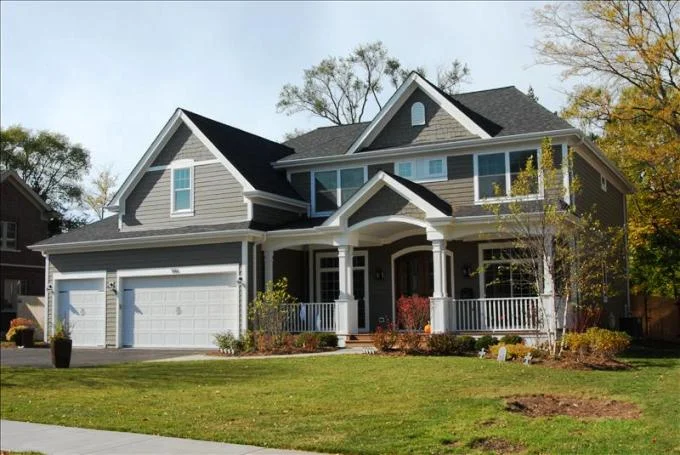
Siding plays a critical role in protecting your home from the elements, boosting energy efficiency, and creating a polished, welcoming exterior. But like every part of your home, it doesn’t last forever. Over time, exposure to weather, age, and damage can cause siding to deteriorate—and when it does, your home can suffer more than just curb appeal loss.
In this blog, we’ll walk you through the top signs that it’s time to consider new siding and how professional installation can breathe new life into your home.
1. Cracks, Warping, or Rot
Visible cracks or warped siding panels are some of the clearest signs that replacement is needed. If your siding is rotting, water has already infiltrated, which can lead to mold, mildew, and even structural damage.
What to Look For:
- Bulging or warped sections
- Soft or crumbly areas when touched
- Visible holes or splitting
2. Fading or Discoloration
While fading might seem cosmetic, it often signals that your siding’s protective finish has worn away—leaving it vulnerable to UV damage and moisture.
Why It Matters:
Faded siding no longer reflects heat as effectively, leading to increased indoor temperatures and energy use.
3. Rising Energy Bills
Inefficient siding can allow outside air in and indoor air out, forcing your HVAC system to work harder. If your energy bills have been climbing without a clear reason, your siding could be the culprit.
Potential Issues Include:
- Lack of insulation behind siding
- Air leaks due to gaps or aging materials
- Moisture or rot weakening the barrier
4. Mold, Mildew, or Water Stains
These signs typically appear near the seams or underneath panels. Moisture trapped behind siding can lead to serious problems inside your walls if not addressed quickly.
Check for:
- Green or black streaks
- Brown water stains
- Bubbling paint inside your home
5. Peeling Paint Inside the Home
If the interior walls of your home—especially near exterior-facing walls—show signs of peeling paint or wallpaper, moisture may be seeping in due to failing siding.
6. Frequent Need for Repairs or Maintenance
Are you constantly patching holes, repainting, or replacing individual panels? If so, it may be more cost-effective to replace the entire siding system.
7. Outdated Appearance
Even if your siding is still functional, its style or color may be outdated. Upgrading your siding is one of the most impactful ways to boost curb appeal and modernize your home’s look.
Benefits of New Siding
Replacing your siding isn’t just about damage control—it’s also an opportunity to improve performance and aesthetics.
Upgrades Can Include:
- Energy-efficient materials (like insulated vinyl or fiber cement)
- Enhanced moisture and pest resistance
- Long-lasting color and minimal maintenance
- A wide variety of modern styles and textures


.svg)
.svg)
.svg)
