
Understanding the Crawl Space in Your Home
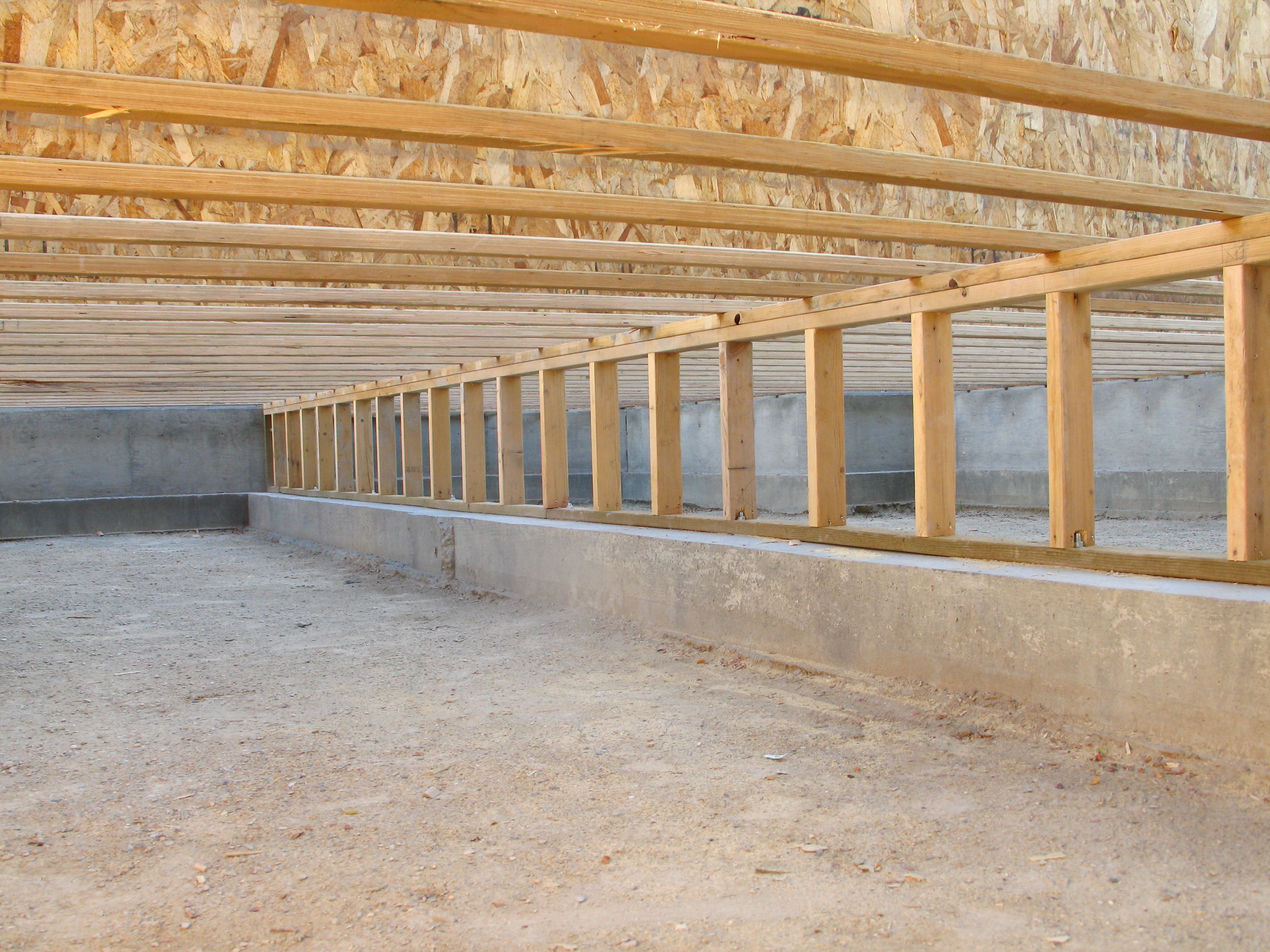
Many homeowners rarely think about their crawl space, and some may not even know they have one. However, this often-overlooked area plays a critical role in the overall health, efficiency, and safety of your home. Whether you're experiencing moisture issues, uneven flooring, or poor air quality, your crawl space could be the root of the problem.
In this blog, we’ll break down what a crawl space is, why it's important, and what you need to know to keep it in top condition.
What Is a Crawl Space?
A crawl space is a shallow, unfinished area beneath the first floor of a home, typically ranging from one to three feet high. It provides access to plumbing, electrical wiring, HVAC systems, and ductwork. Unlike basements, crawl spaces aren't designed for living space, but they serve as an important buffer between your home and the ground.
Benefits of Having a Crawl Space
1. Easy Access to Utilities
Crawl spaces make it easier for technicians to access your plumbing, electrical, and HVAC systems for repairs and upgrades.
2. Cost-Effective Construction
Compared to full basements, crawl spaces are often less expensive to build while still providing important structural advantages and functionality.
3. Moisture Control
When properly insulated and ventilated, crawl spaces can help manage moisture and prevent water damage, mold, and mildew in your home.
Common Crawl Space Issues
1. Moisture Buildup
Due to their location near the ground, crawl spaces are highly susceptible to moisture intrusion, which can lead to mold growth, wood rot, and pest infestations.
2. Poor Insulation
Without proper insulation, crawl spaces can contribute to drafts, cold floors, and increased energy costs.
3. Structural Weakness
Over time, a damp crawl space can compromise the support beams and joists of your home, causing uneven floors or sagging.
4. Poor Air Quality
Since air naturally rises, pollutants and moisture from your crawl space can seep into your home, negatively impacting indoor air quality.
Signs You Have a Crawl Space Problem
- Musty odors in your home
- Warped or buckling floors
- Visible mold or mildew in the crawl space
- Increased allergy or asthma symptoms indoors
- High humidity levels
- Pest infestations
How to Maintain and Protect Your Crawl Space
1. Crawl Space Encapsulation
This process involves sealing the crawl space with a vapor barrier, closing vents, and potentially installing a dehumidifier. It’s the best long-term solution for controlling moisture and improving energy efficiency.
2. Insulation and Sealing
Proper insulation helps maintain a stable indoor temperature and reduces energy waste. Air sealing keeps pests and external moisture out.
3. Drainage and Waterproofing
Installing a sump pump or interior French drain can help direct water away from your crawl space, preventing flooding and water damage.
4. Regular Inspections
Routine professional inspections can catch minor issues before they become major repairs, helping you avoid unnecessary expenses.


.svg)
.svg)
.svg)
