
Why Your Home’s Foundation Is Cracking and What to Do About It
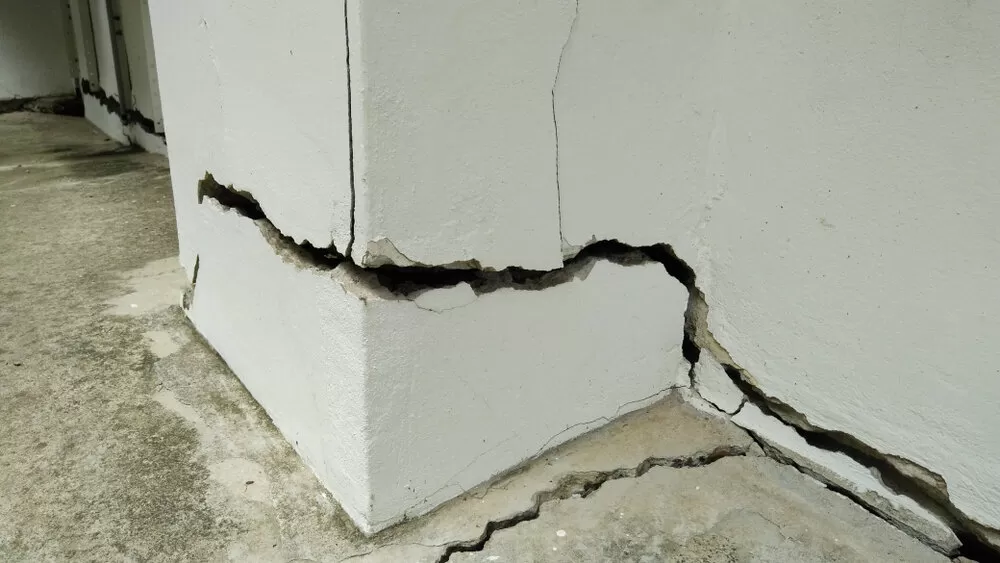
Noticing cracks in your home’s foundation can be alarming—and for good reason. While some cracks are minor and harmless, others can signal serious structural issues that require immediate attention.
Understanding why foundation cracks happen and knowing when to take action can save you from costly repairs down the line. In this blog, we’ll break down the common causes of foundation cracks, warning signs to watch for, and what you should do if you spot them.
What Causes Foundation Cracks?
Foundation cracks can develop for several reasons, many of which are related to soil movement and moisture levels.
1. Soil Expansion and Contraction
Changes in moisture cause soil to expand when wet and shrink when dry. This constant movement puts pressure on your foundation, leading to cracks over time.
2. Poor Drainage
If water collects around your home, it can weaken the soil and cause uneven settling. This leads to stress on the foundation and eventual cracking.
3. Natural Settling
All homes settle over time. Minor cracks can appear as the structure adjusts to its environment, especially in newer homes.
4. Tree Roots
Large tree roots near your home can draw moisture from the soil or push against the foundation, causing shifting and cracks.
5. Construction Issues
Improper construction, poor soil preparation, or low-quality materials can also lead to foundation problems.
Types of Foundation Cracks
Not all cracks are the same. Understanding the type of crack can help determine its severity.
Hairline Cracks
These are small, thin cracks that are usually caused by normal settling and are often not a major concern.
Vertical Cracks
These cracks often occur from natural settling and may not require major repairs if they are small.
Horizontal Cracks
Horizontal cracks are more serious and may indicate pressure from soil or water buildup. These often require professional attention.
Stair-Step Cracks
Common in brick or block foundations, these cracks can signal uneven settling and may need repair.
When Should You Be Concerned?
While some cracks are harmless, others require immediate attention.
Watch for these warning signs:
- Cracks wider than 1/4 inch
- Cracks that continue to grow
- Uneven floors or sloping surfaces
- Doors and windows sticking
- Gaps between walls and ceilings
If you notice any of these issues, it’s important to act quickly.
How to Fix Foundation Cracks
The right solution depends on the cause and severity of the problem.
Common repair methods include:
- Crack sealing and waterproofing
- Foundation piers for stabilization
- Drainage improvements
- Slab leveling or lifting
A professional inspection is essential to determine the best approach.
Why Professional Foundation Repair Matters
Foundation issues are not something to handle on your own. Improper repairs can make the problem worse and lead to further damage.
Working with professionals ensures:
- Accurate diagnosis of the issue
- Proper repair methods
- Long-term stability
- Protection of your home’s value


.svg)
.svg)
.svg)
